

Electric propulsion generates more heat than light. Depending on who you ask, it's either the inevitable future of boating or a gimmick that doesn't work. Neither is much use if you're standing in a chandlery trying to decide what to put on the back of your tender.
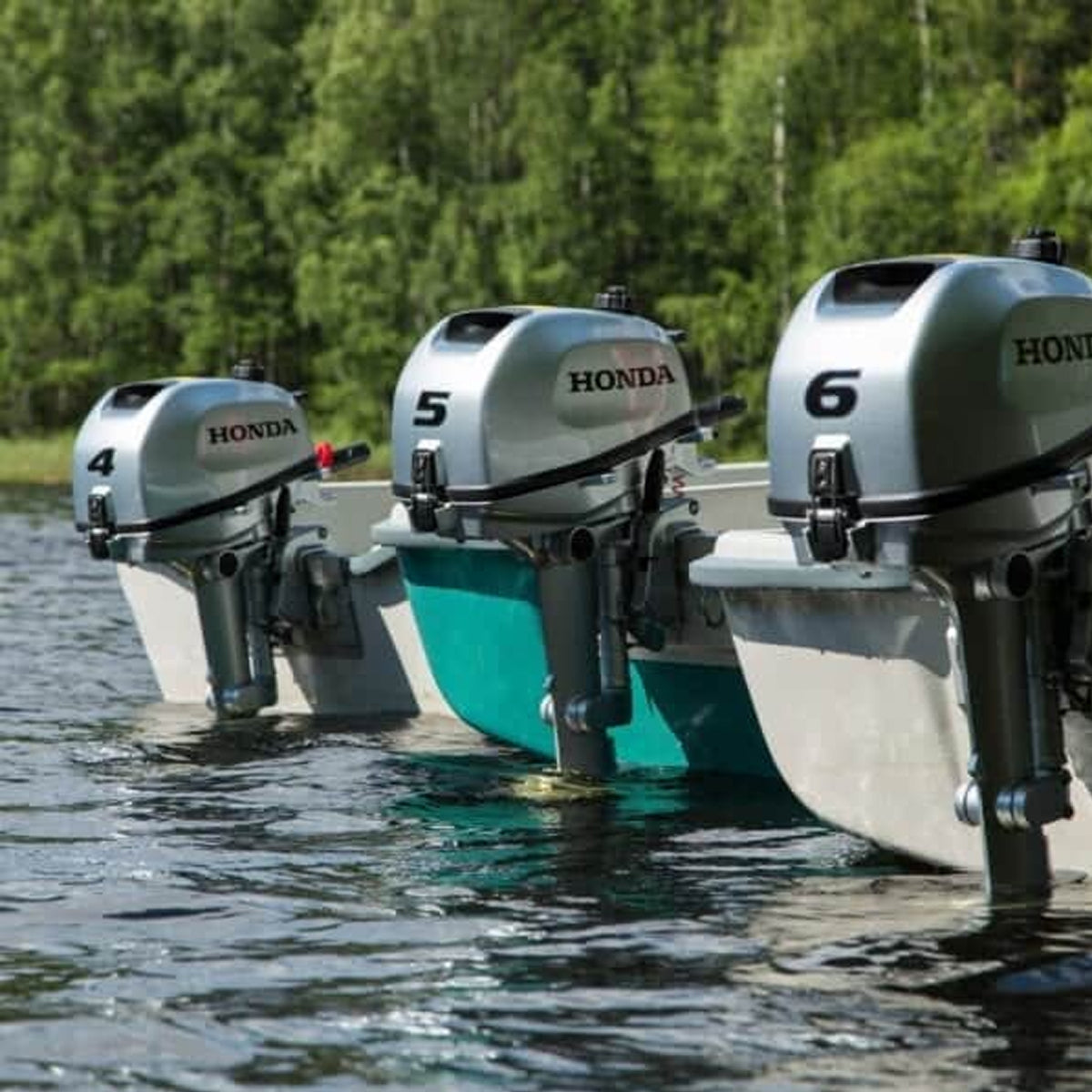
We sell both petrol and electric, and we're an authorised Honda dealer — a manufacturer with no electric outboard in its range at all. So we've no particular axe to grind here. What follows is our honest read on where electric works well today, and where it doesn't.
The physics, briefly
The thing that determines whether electric suits your boat isn't the motor. It's the energy storage.
Petrol carries an enormous amount of energy for its weight and volume. A battery, even a good lithium one, does not come close. That gap is the whole story, and no amount of engineering enthusiasm closes it.
What this means practically: an electric outboard can match a petrol one for power without much trouble. What it struggles to match is endurance at high power. Run an electric motor gently and it'll go a long way. Run it flat out and the range collapses, in a way that's far more dramatic than the equivalent petrol engine emptying its tank.
So the question isn't "is electric powerful enough?" It's "does your usage pattern involve sustained high power, or short bursts?"
Where electric genuinely wins
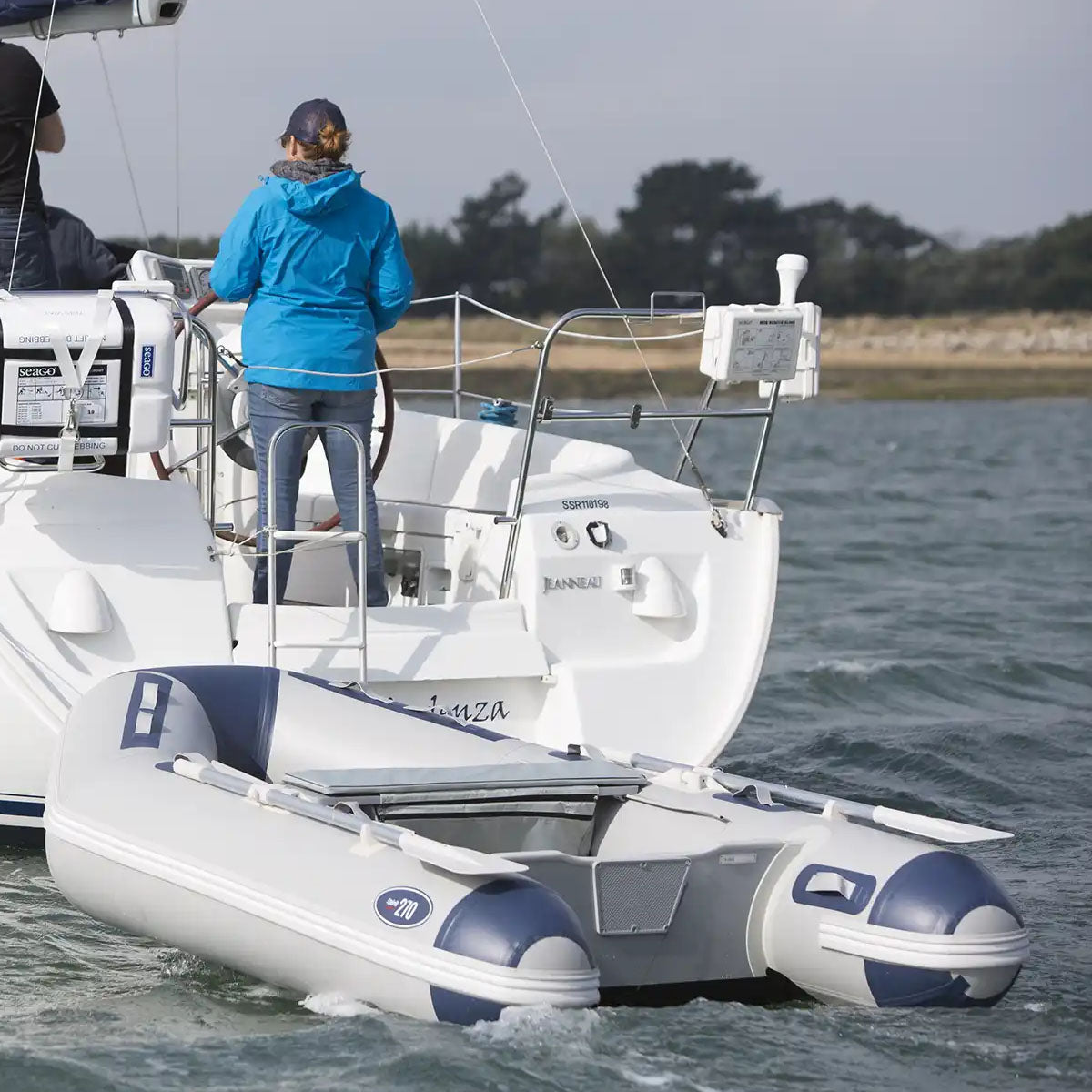
Tenders and dinghies. Short hops from mooring to pontoon and back. Low power, brief runs, and the boat is never far from where it started. Electric is arguably better here than petrol — no fuel to carry or spill, nothing to stink out the locker, no starting ritual after three weeks of neglect, and light enough to lift on and off single-handed.
Sailing boats using auxiliary power sparingly. If the engine is for getting in and out of the marina and nothing else, the endurance ceiling may simply never be reached.
Inland and restricted waters. Some rivers, lakes and reservoirs have restrictions or outright bans on petrol engines. In those places the choice has already been made for you.
Anywhere quiet matters. Wildlife watching, fishing, early starts on a crowded mooring. The silence is not a minor benefit; people who make the switch tend to mention it first.
Where it doesn't stack up yet
Long passages under power. If your typical day involves several hours of motoring, you're going to be disappointed, and probably by a lot.
Planing. Getting a boat up onto the plane and keeping it there is exactly the sustained high-power demand electric handles worst.
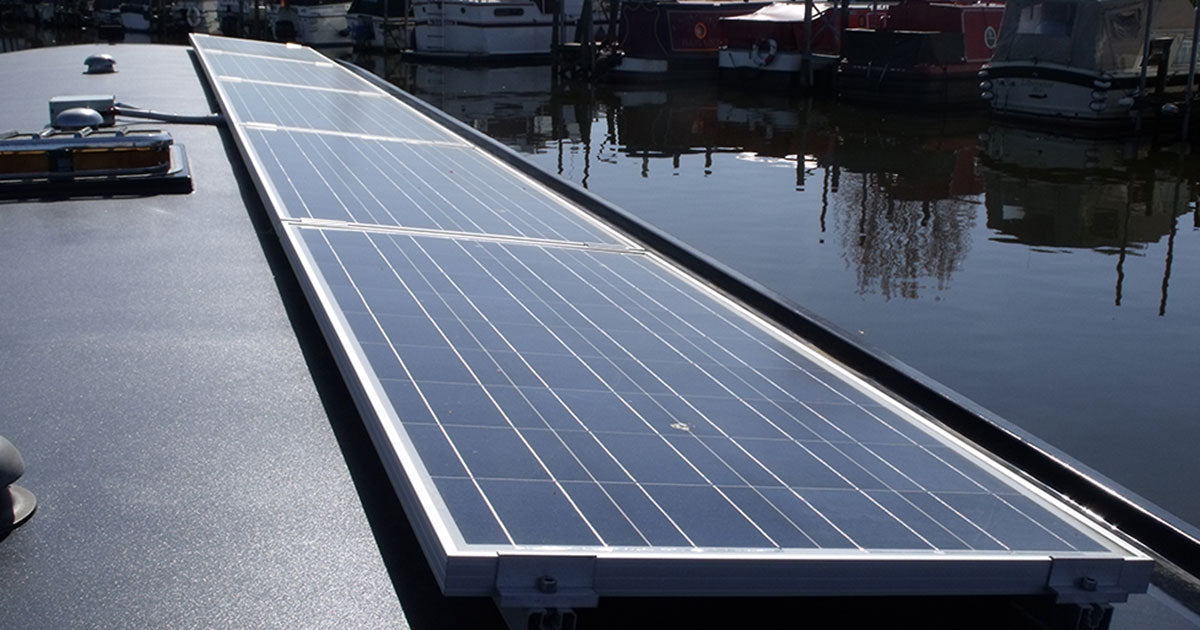
Anywhere without charging. Swinging mooring, no shore power, no solar? You've simply moved the problem rather than solved it. Worth thinking about before you buy, not after — although a decent solar setup does change this picture considerably.
Serious range confidence. Petrol's advantage isn't just distance, it's that a spare can in the locker solves the problem instantly. There's no equivalent of that for electric yet, beyond carrying a spare battery.
What to look at
Integrated battery or separate? Integrated units are simpler, lighter to carry as a single piece, and there's nothing to wire. Separate batteries let you carry a spare and swap it, and let you size the bank to the job.
Weight, properly considered. Compare the whole system — motor plus battery — against the petrol equivalent plus a full tank. Some electric options come out lighter, some don't.
Immersion and corrosion protection. It's an electric device, on the back of a boat, in salt water. Check what it's rated for and treat that rating seriously.
What we stock
At the very light end, the Temo 450 is an unusual one — closer in concept to a powered oar than a conventional outboard. For a small tender doing short runs it's genuinely well thought out, and it stows in a way no conventional outboard does.
The ThrustMe Kicker takes the integrated-battery approach: motor and lithium battery as a single unit, nothing to connect, and straightforward to carry.
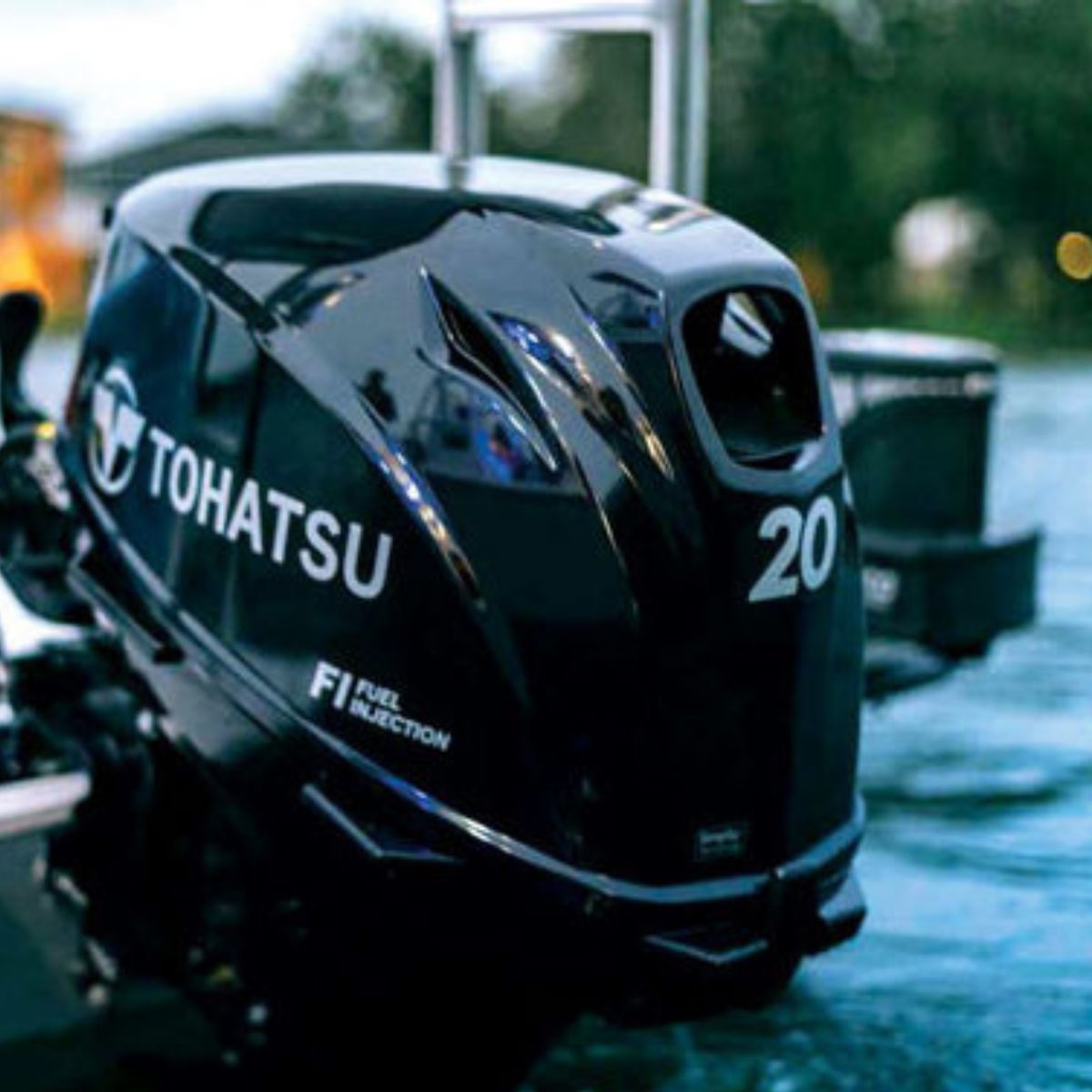
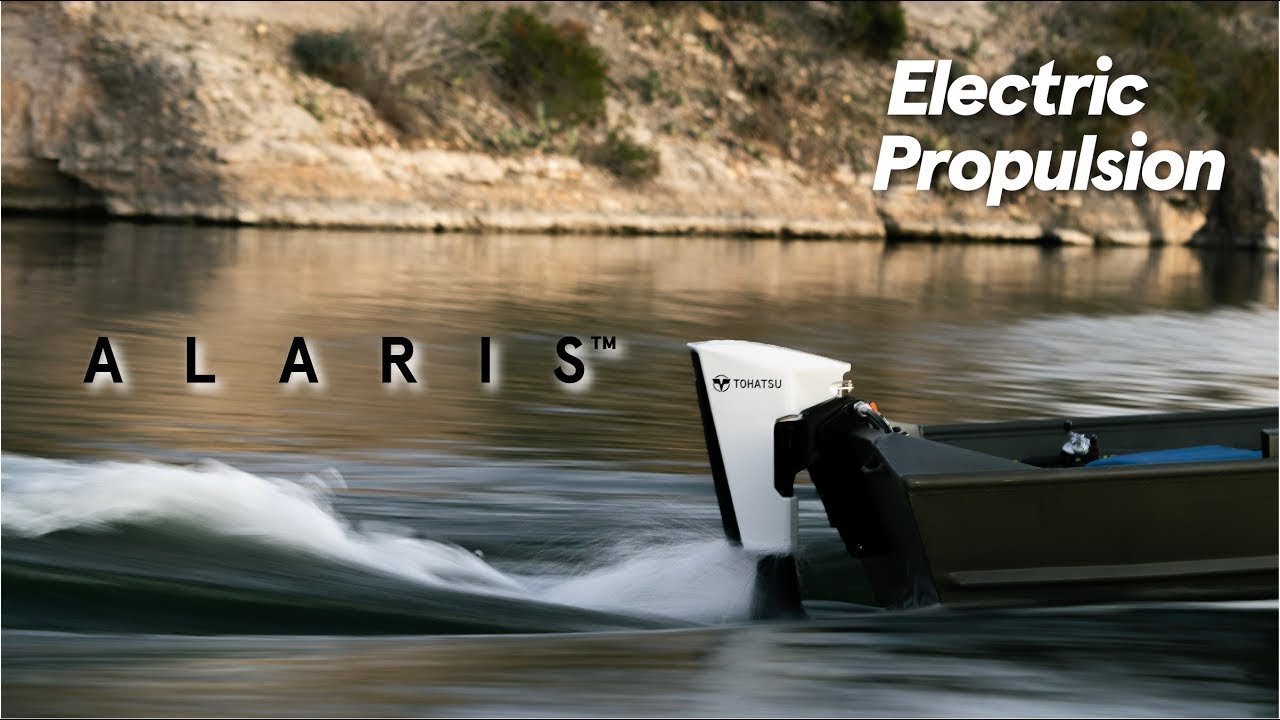
At the serious end, the Tohatsu Alaris electric propulsion outboard is a proper electric outboard from an established marine manufacturer rather than a startup — which matters for parts, support and the likelihood that the company still exists in ten years.
Our actual advice
If you're looking at electric for a tender or a dinghy, we'd encourage it. The use case fits the technology well, the practical benefits are real, and most people who switch don't go back.
If you're looking at it for your main engine on a boat you use for real distance, we'd tell you honestly that the technology isn't there yet for most UK coastal use. Come back to us in a few years — this is a fast-moving area and we'll update this page when it changes.
If you're somewhere in between, that's exactly the conversation to have in person. Bring the boat's details and how you actually use it, and we'll give you a straight answer rather than a sales pitch.
Marine Chandlery, Unit G4 Narvik Way, Tyne Tunnel Trading Estate, North Shields.